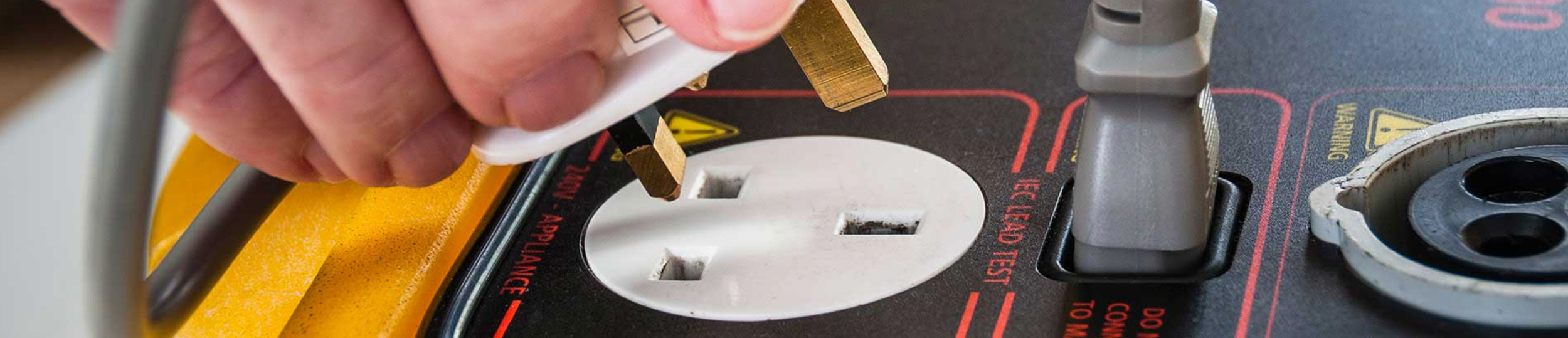
Portable Appliance Testing (PAT) in the workplace is the routine inspection and testing of electrical equipment to ensure it is safe for employees to use. It involves visually checking appliances, plugs, and cables for damage and using specialised testing equipment to verify electrical safety, such as correct earthing and insulation. PAT testing helps employers meet their legal duties under the Electricity at Work Regulations 1989 to maintain electrical equipment in a safe condition and reduce the risk of electric shock, fires, or equipment failure in the workplace.
USEFUL INFORMATION

IN THE WORKPLACE
Portable Appliance Testing (PAT) in retail shops is the inspection and electrical testing of portable electrical equipment—such as tills, extension leads, display lighting, kettles, and cleaning equipment—to ensure they are safe to use. The process involves a visual check for damaged plugs, cables, or casings, followed by electrical tests using specialised equipment to confirm proper insulation and earthing. In the UK, PAT testing helps shop owners meet their responsibilities under the Electricity at Work Regulations 1989 by ensuring electrical equipment is maintained in a safe condition, reducing the risk of electric shock, fire, or equipment failure for staff and customers.
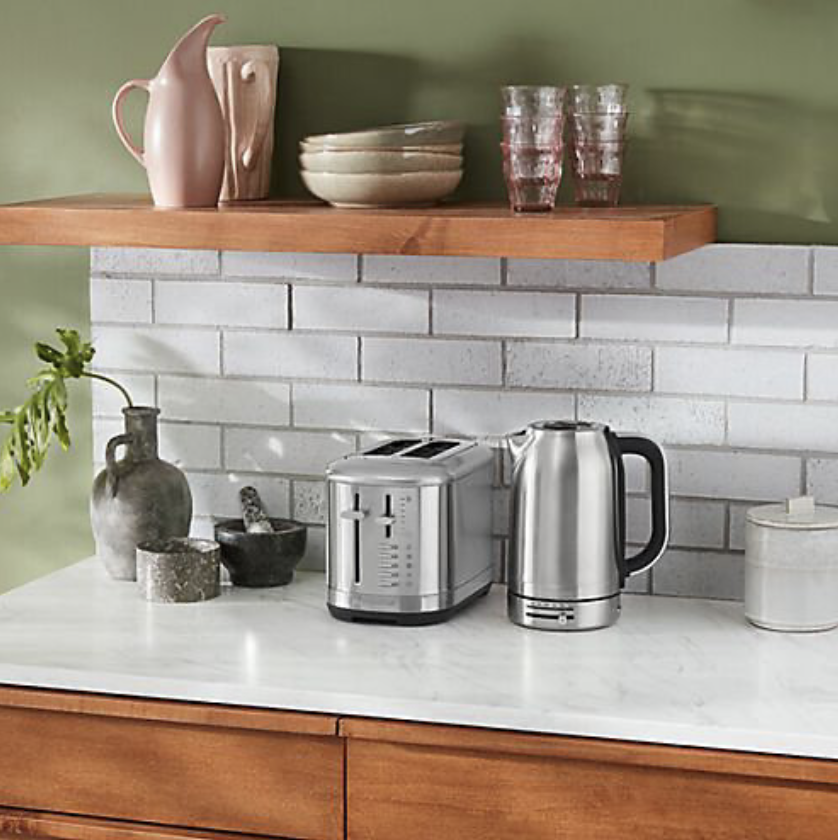
RETAIL / SHOPS / CAFES
Portable Appliance Testing (PAT) for landlords is the inspection and electrical testing of any portable electrical appliances provided in a rental property, such as kettles, microwaves, lamps, and washing machines. The process involves a visual inspection and electrical tests to ensure the appliances are safe to use and free from faults. While PAT testing itself is not always a legal requirement, landlords have a duty under the Electrical Equipment (Safety) Regulations 2016 and the Electrical Safety Standards in the Private Rented Sector (England) Regulations 2020 to ensure electrical equipment they supply is safe for tenants. Regular PAT testing helps demonstrate that this responsibility is being met and reduces the risk of electric shock or fire.
LANDLORDS / STUDENT ACCOMMODATION
FAQ's
What is PAT Testing?
Portable Appliance Testing (PAT) is the process of inspecting and testing electrical appliances to ensure they are safe to use. It involves a visual inspection and electrical testing of equipment such as computers, kettles, extension leads, and power tools.
Is PAT Testing a Legal Requirement in the UK?
PAT testing itself is not a legal requirement, but UK law requires employers, landlords, and organisations to ensure electrical equipment is maintained in a safe condition under the Electricity at Work Regulations 1989. PAT testing is the most common way to demonstrate compliance.
Do Landlords Need PAT Testing?
While not always legally required, PAT testing is strongly recommended for landlords to ensure appliances provided to tenants are safe and to demonstrate due diligence.
How Often Should PAT Testing Be Carried Out?
There is no fixed legal testing interval. The frequency depends on the environment and how the equipment is used. For example:
Offices: typically every 1–2 years
Schools & public buildings: usually annually
Industrial environments: 6–12 months
Construction sites: as often as every 3 months
What Equipment Needs PAT Testing?
PAT testing applies to portable or movable electrical equipment, including:
Computers and monitors
Printers and office equipment
Kettles and kitchen appliances
Extension leads and power strips
Power tools
Chargers and IT equipment
Portable heaters and fans
What Happens During PAT Testing?
A PAT test typically includes:
Visual inspection of the plug, cable, and appliance
Electrical safety tests using a PAT tester
Earth continuity testing for Class I appliances
Insulation resistance testing
Labelling and certification
How Long Does PAT Testing Take?
PAT testing is quick and efficient. A trained engineer can typically test 200–300 appliances per day, depending on the type of equipment and location.
Will Testing Disrupt My Business?
No. PAT testing is designed to cause minimal disruption. Appliances are tested quickly and can usually be returned to service within minutes. We also offer an out of hours service should the likes of computers need shutting down.
Please note, All computer data should be backed up prior to testing. PATEET Testing Services will not be held resposible for any lost data during shutdown.
What Happens if an Appliance Fails?
If an appliance fails the test:
It will be labelled “Failed” or “Do Not Use”
The issue will be recorded in the report
You will be advised whether the appliance can be repaired or should be replaced
Replacing incorrect fuses will be free of charge.
Do I Receive a Certificate?
Yes. After testing you will receive a PAT testing report and certification showing the appliances tested, their results, and the next recommended test date.
Pricing:
£60 For the initial call out and up to 30 Items tested.
All additional items* will be charged at £1.20 per test.
*Please note, electrical items with a separate IEC mains cable will be tested as two items, cable and appliance.